How to Check HTTP Headers of Any Website
HTTP headers reveal how a server is configured — caching, security policies, server software, and more. Here is how to inspect headers and what to look for.

SEO, robots.txt, sitemaps, structured data and server configuration guides for webmasters building a healthier, faster website.
These guides are for people who run websites: how search engines crawl and understand your pages, how domains and DNS fit together, and how to track and fix the technical details that affect your traffic. Each topic is explained with examples, and each guide points to a free tool for checking your own site.
Related tools include the robots.txt generator, the redirect checker, DNS lookup and WHOIS lookup.
HTTP headers reveal how a server is configured — caching, security policies, server software, and more. Here is how to inspect headers and what to look for.
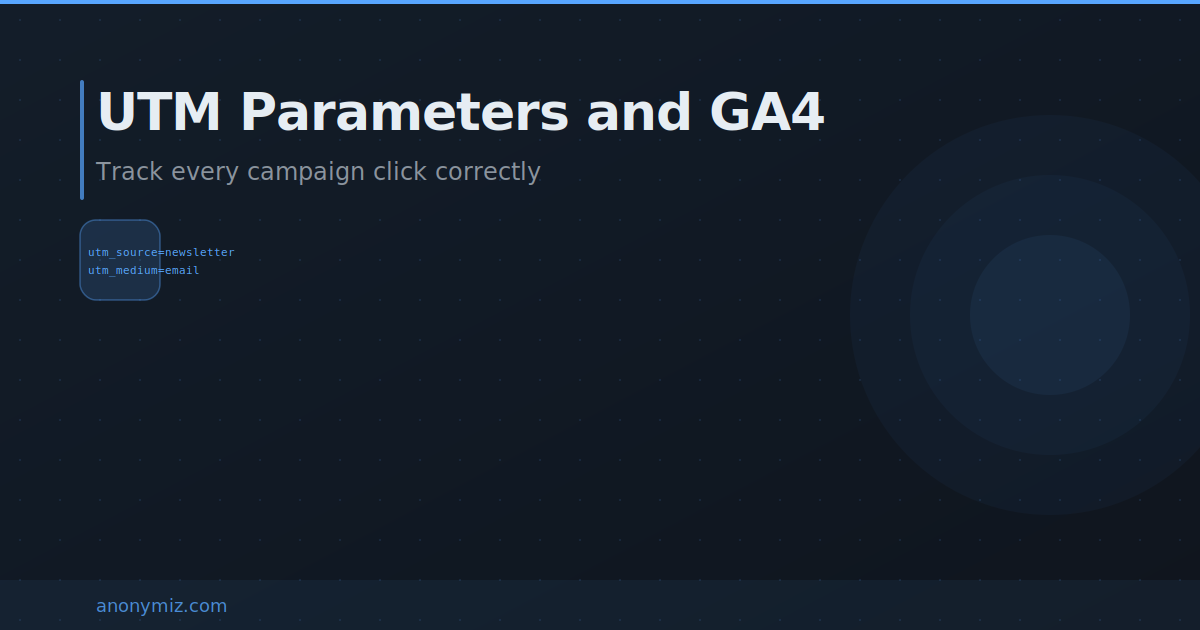
UTM parameters let you track exactly where your traffic comes from in Google Analytics. Here is what each parameter means and how to build UTM links correctly.
WHOIS lookup reveals who owns a domain, when it was registered, and when it expires. Here is how to run a WHOIS check and what the results mean.
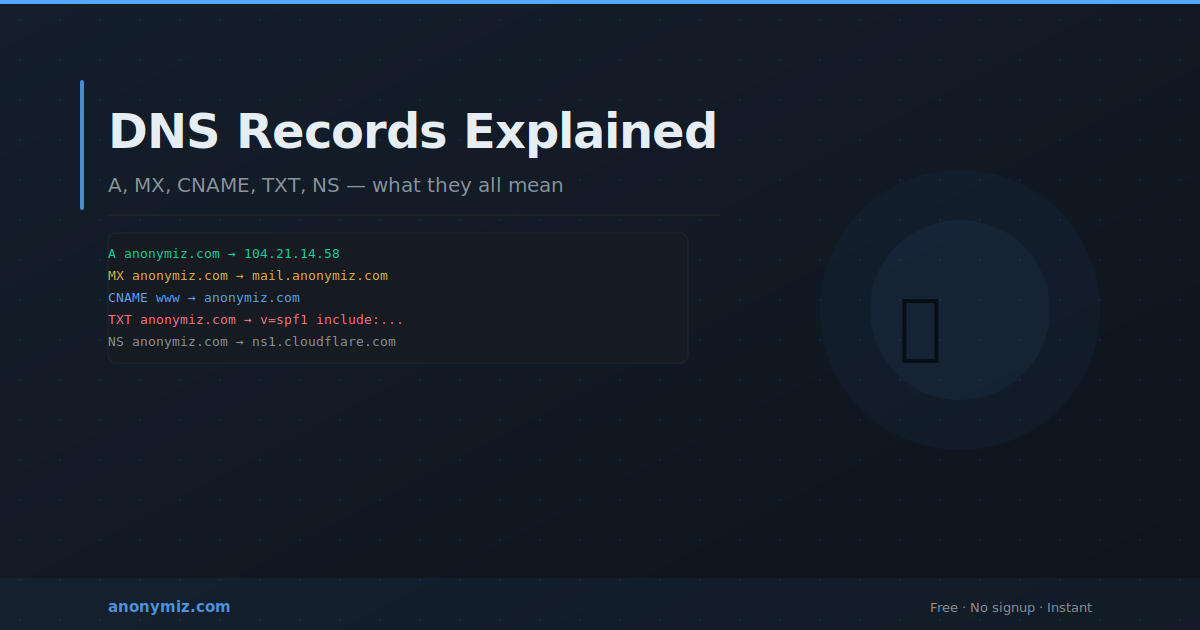
Every DNS record type explained — A, AAAA, CNAME, MX, TXT, NS — what they do, when to use them, and how to look up any domain records free.
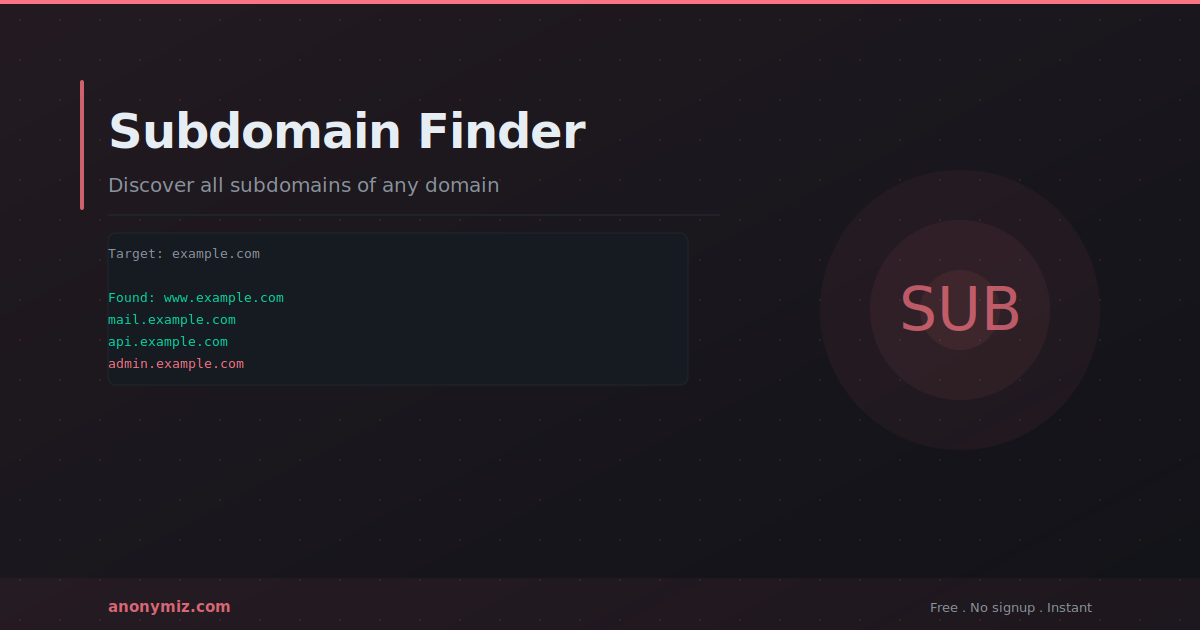
What subdomains are, why finding them matters for security research, how subdomain discovery techniques work, and how to find all subdomains of any domain free.
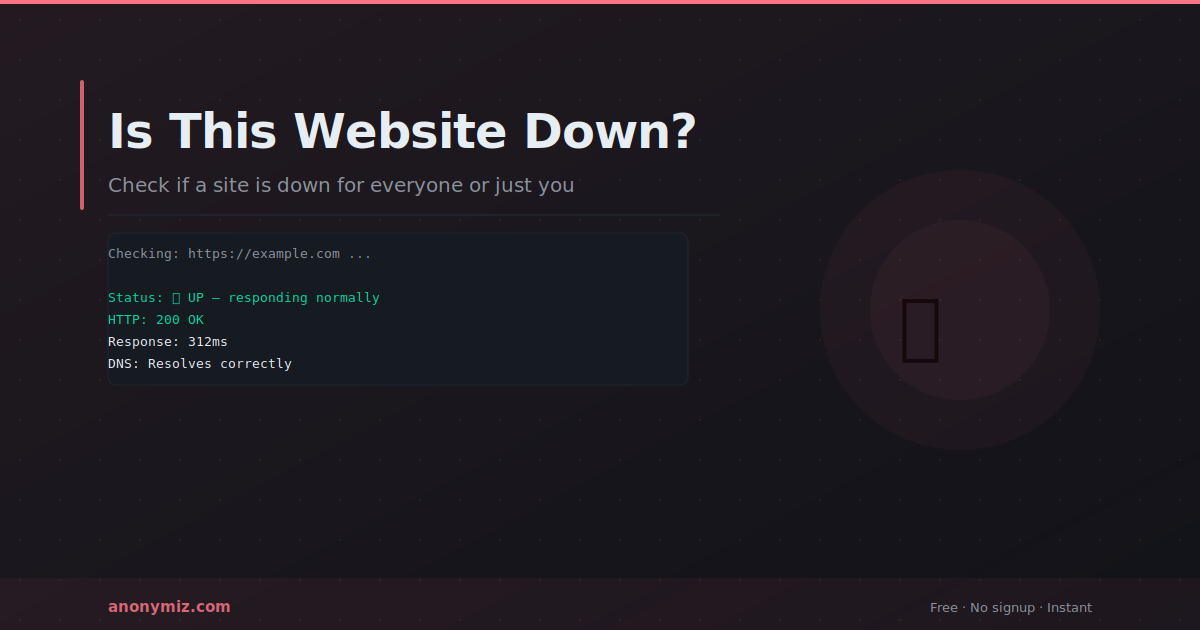
How to tell if a website is down for everyone or just you, the most common causes, and how to check any site status free in seconds.
DNS records control where your domain sends traffic — for websites, email, verification and more. Here is how to check A, MX, TXT, CNAME and NS records instantly.
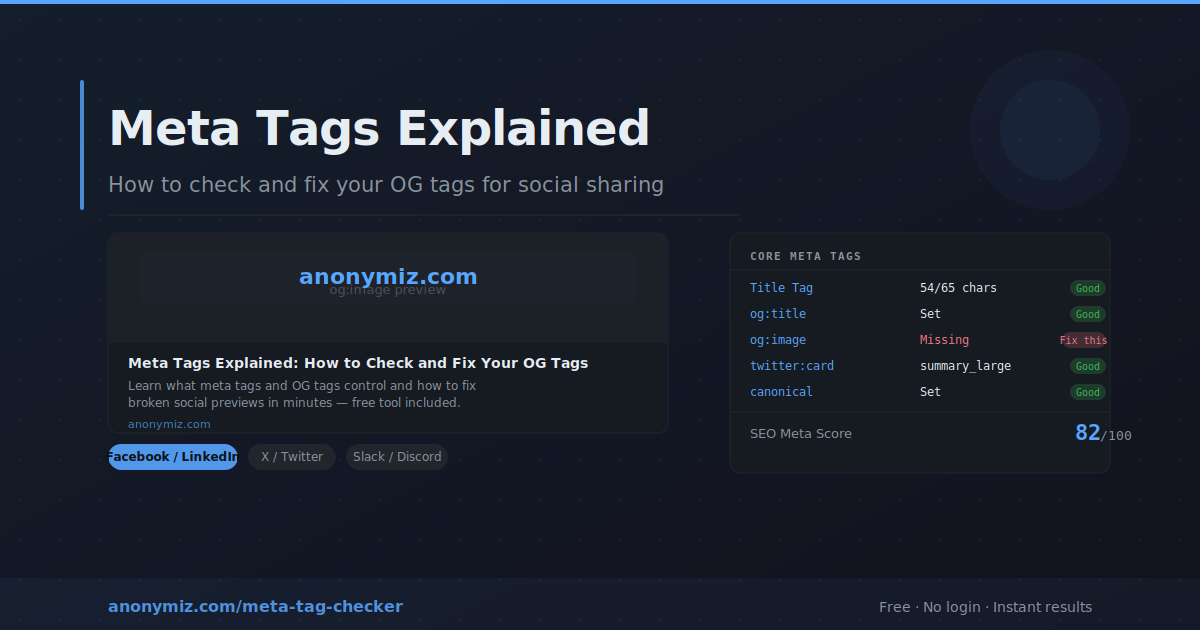
Learn what meta tags and OG tags are, what each one controls, the most common mistakes that break social previews, and how to check and fix them all in minutes for free.
Learn what UTM parameters are, how to build UTM links correctly for Google Analytics 4, and common mistakes that break your campaign tracking.